.png)


Hail, Waterfalls and Water Bugs: Our Mareltwane Honours Adventure
- Elanie Snyman

- Mar 14
- 5 min read
How a four-day field trip turned 25 students into a research family.
The rain had already soaked us when our course coordinator asked the question for the third time. “Are you sure you don’t want to turn around?”
Twenty-five Honours students stood on a muddy path somewhere along a 2.5 km hike to a waterfall. Our answer had been the same every time he asked.
“No.”
We were determined. Curious. Maybe a little stubborn.
And that was exactly when the hail started.
Within minutes we were huddled under a tree while small pellets of ice bounced around us. One of our classmates clutched his camera with a 600 mm lens while the rest of us scrambled to find black bags and backpacks to shield it from the storm. Somewhere between laughing and shivering, we realised that this field trip was already becoming far more memorable than any of us expected.
And it was only the first day.

The Start of an Honours Adventure
At the beginning of the year, before research proposals, statistics, and looming deadlines began defining our Honours journey, our Zoology Honours group headed out on a four-day field trip to Mareltwane. Twenty-five students, three lecturers, and a few postdocs and master’s students traded lecture halls for bushveld, riverbanks, and the promise of hands-on fieldwork.
What followed was a few unforgettable days of science, laughter, bruised shins, and the kind of bonding that only happens when a group of aspiring scientists spend time together in the field.
By the end of the trip, something had shifted. Conversations with lecturers became more relaxed, we found ourselves calling them by their first names, and the department suddenly felt less intimidating. We were no longer just students attending lectures. We were beginning to feel like part of the research community.

The Waterfall That Tested Our Determination
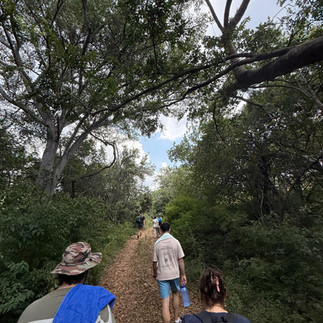
On our very first day, we set off on a 2.5 km walk to a nearby waterfall. Not long after we started, the rain arrived.
Our course coordinator asked if we wanted to turn around.
Twenty-five eager Honours students replied with a confident no.
A little further along, the rain picked up. Again, we were asked if we wanted to turn back.
Once again, the answer was no.
Then, for the third time, he asked if we were sure we did not want to turn around.
Still no.
And that was when the hail arrived.
We waited it out under a tree while small ice pellets bounced around us. One of our classmates had brought along his 600 mm lens and camera, which quickly became the priority to protect. Black bags appeared from backpacks as we tried to shield the gear from the storm.
Eventually the hail passed and we carried on.
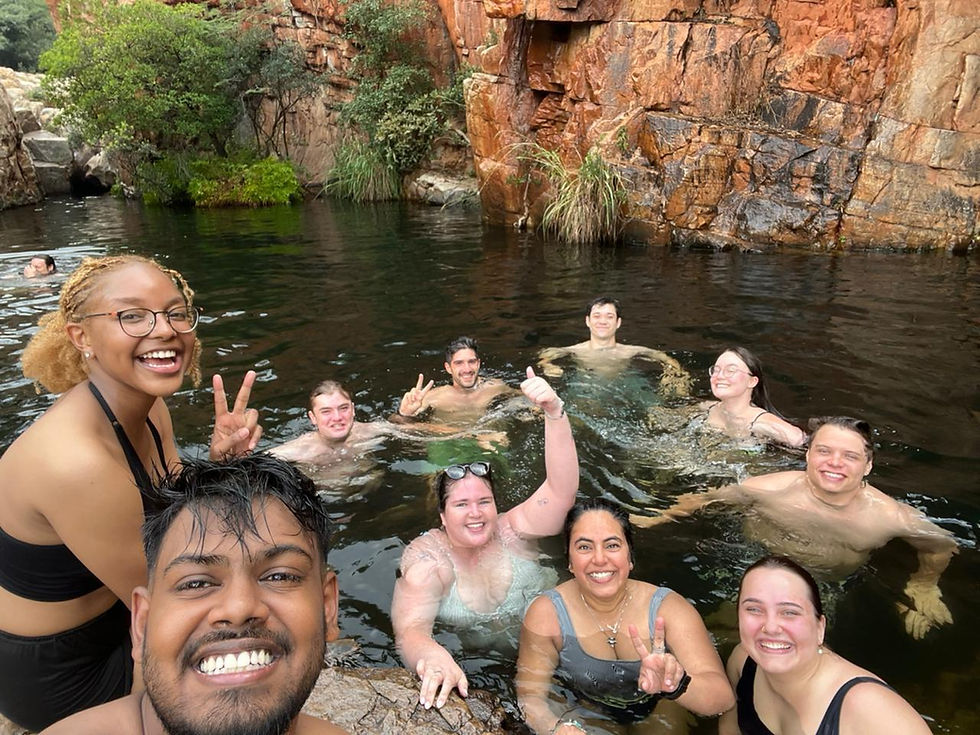
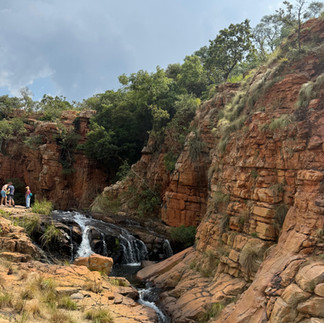
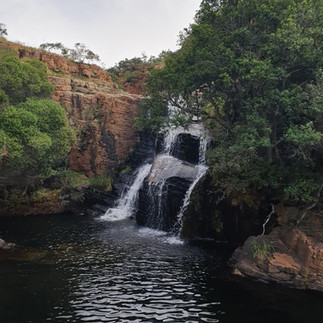
By the time we reached the waterfall, the sky had cleared and the sun was shining again as if nothing had happened. The ice-cold water was incredibly refreshing after the walk, and a few brave members of our group jumped off the cliffs into the pool below.
For a moment, everything felt perfect.
Until we remembered we still had the 2.5 km hike back to camp.



Fieldwork and Slippery Rocks
During the week we split into smaller groups to conduct mini research projects. Each student worked with two different groups, which meant we were constantly collaborating with different people and learning from each other.
Some groups focused on insect diversity, others investigated invasive plant species, and some turned their passion for birding into research projects. A few groups spent evenings catching insects, while others went frogging, herping, or even setting up bat nets.

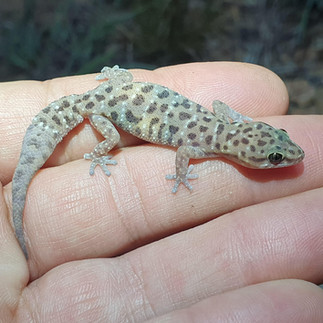

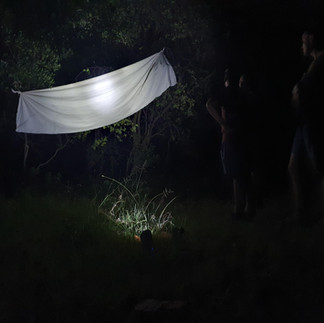

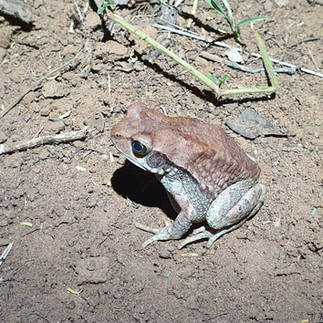
(c) Photos by Courtney Hundermark
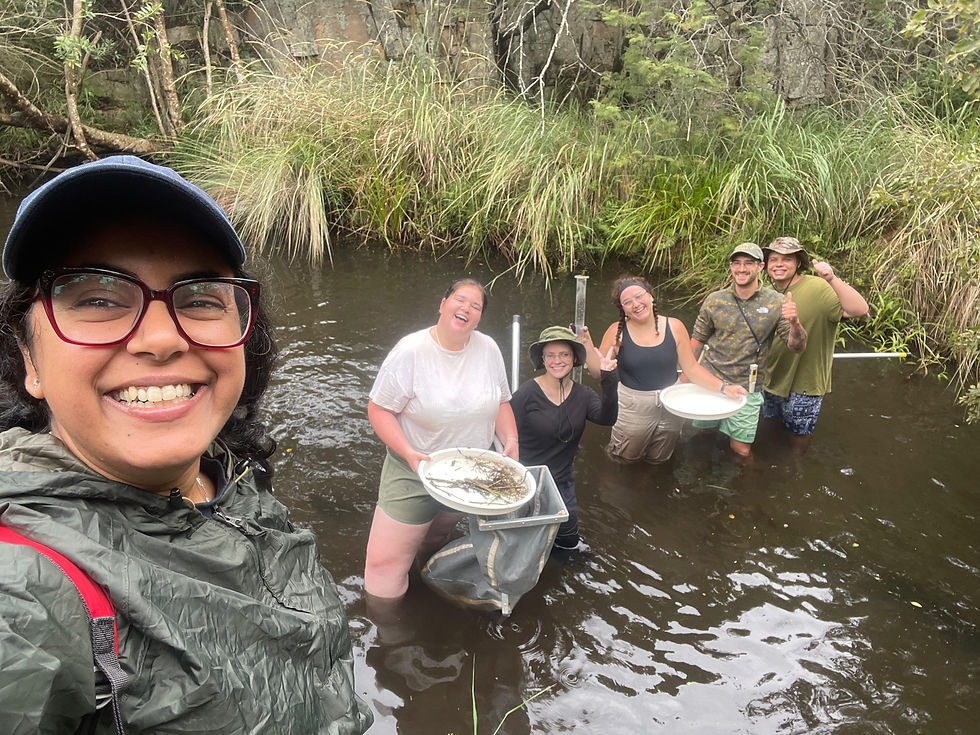
One of my groups decided to investigate water quality using aquatic insects.
In theory, this meant sampling insects in the river and using them as indicators of water quality.
In reality, it meant standing in a flowing river with nets while trying not to slip on extremely slippery rocks. There was a lot of sliding, near-falls, laughter, and the occasional dramatic recovery to stay upright.

From the riverbank it probably looked less like careful scientific sampling and more like a group of students performing an unintentional balancing act.
But despite the chaos, we collected our samples, identified the insects, and on the final day each group presented their findings before we headed back to the university.
A World Without Signal
Another unexpected part of the trip was the lack of signal. For days we were essentially cut off from the outside world. No endless notifications and no scrolling. Just fieldwork, conversation, and time spent together.
The camp spoiled us with incredible food, and meals quickly became one of the highlights of the day. Breakfast, lunch, and dinner turned into long conversations filled with laughter, stories, and shared experiences from the field.

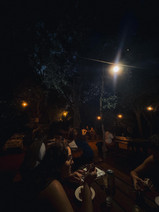

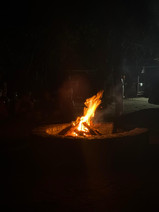
One evening we sat around the fire talking about why we had chosen to do Honours and what we hoped the year would bring. It was one of those rare moments where people spoke honestly about their motivations, their passions, and what drew them to science in the first place.
The Little Moments
Not every moment was scientific.
Afternoons often ended with us sitting together joking and, in true modern fashion, turning each other into WhatsApp stickers.
By the end of each fieldwork day we returned to camp exhausted, scratched, bruised, and muddy. But despite the tiredness, our hearts were full.
Somewhere between the river sampling, the hailstorm, the late-night conversations, and the shared meals, something shifted within the group.
We stopped feeling like co-students.
Instead, we became something closer to a team. Maybe even a family.
The Beginning of the Journey

Honours is known to be a demanding year. Research projects, deadlines, and the pressures of postgraduate study lie ahead of us.
But those four days at Mareltwane reminded us of something important.
We will not be facing it alone.
After slipping on river rocks while attempting what we confidently called aquatic insect sampling, standing through hailstorms, and laughing around the fire together, we are ready to take on the year ahead. Not just as classmates, but as a group of people who will support one another through the challenges that come with our first year of postgraduate science.
Years from now, when the stress of Honours is long behind us and we look back on where it all began, I have a feeling our minds will return to the same moment.
A muddy path. A group of stubborn Honours students. A lecturer asking for the third time if we wanted to turn around.
And twenty-five eager voices answering, without hesitation:
“No.”
The rain fell. The hail followed. And we kept walking.
The field trip we will forever refer to, remember, and hold onto as the moment our Honours journey truly began.


Comments